

Sun in LeoMoon in SagittariusWaxing Gibbous
Betty Davis: Born July 26, 1944, Defiant Glamour That Still Burns
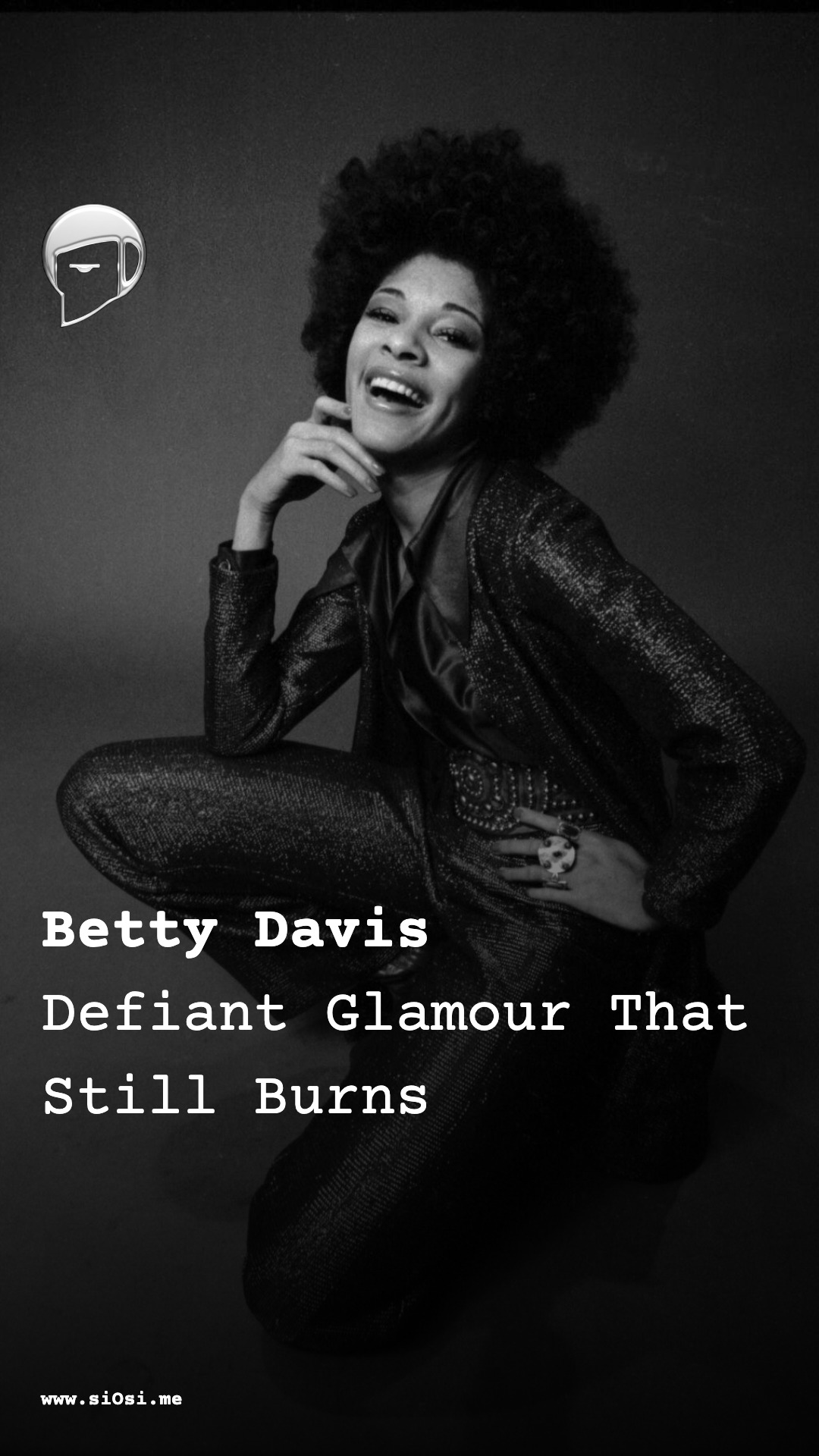
Born on this day in 1944, Betty Davis turned femininity into something dangerous and electric. Her 1970s image fused high-gloss glamour with street grit and unapologetic confidence, using body-skimming silhouettes, leather, metallic shine, and commanding posture to project pure presence. Sleek hair, sharp features, and luminous skin created contrast that felt like heat and resistance rather than softness. She linked style to autonomy, transforming glamour from passive display into bold self-definition. Today her look remains heat-lit, abrasive, and free—a reminder that beauty can be defiant.
Betty Davis’s impact was visual before it was lyrical: she made femininity look dangerous, self-possessed, and electrically alive. Born on July 26, 1944, she emerged in the 1970s as a model and funk artist whose image fused high-gloss glamour, street-level grit, and erotic confidence, creating a style language that still feels sharp, modern, and unsentimental.
Her aesthetic centered on tension. Davis often used body-skimming silhouettes, leather, metallic shine, and tightly structured pieces that emphasized motion and authority rather than softness. In photographs and performance, her posture reads as direct and confrontational: chin lifted, gaze steady, body angled as if refusing to be contained. That visual stance gave her clothes their charge. Even when she wore simple forms, the effect was not minimalism but command.
Her beauty language was equally forceful. Davis’s look relied on contrast—sleek hair, defined features, luminous skin, and makeup that sharpened rather than softened the face. The result was not ornamental prettiness but a harder, hotter glamour: a face that seemed to carry its own weather. She projected a kind of beauty that was less about decoration than about presence, as if the body itself were an instrument of rhythm and resistance.
What made her especially radical was the way she linked style to autonomy. Britannica describes her as a pioneer of feminist funk, known for bold fashion and unapologetically sexual lyrics that pushed against gender norms. That same refusal appeared in her visual identity: she did not dress to reassure or to disappear into elegance, but to make desire visible on her own terms. In cultural terms, she transformed glamour from passive display into an assertion of appetite, confidence, and self-definition.
The emotional atmosphere of Betty Davis’s work today is still unusually potent: it feels heat-lit, abrasive, intimate, and free. Her image carries the glamour of the nightclub and the severity of a challenge. There is no sentimental softness in it. Instead, she leaves behind a glow of risk and self-possession, the sense of a woman who understood that style could be not just beautiful, but defiant.