

Sun in LeoMoon in VirgoWaxing Crescent
Paul Outerbridge: Luminous Tension in siOsi Style
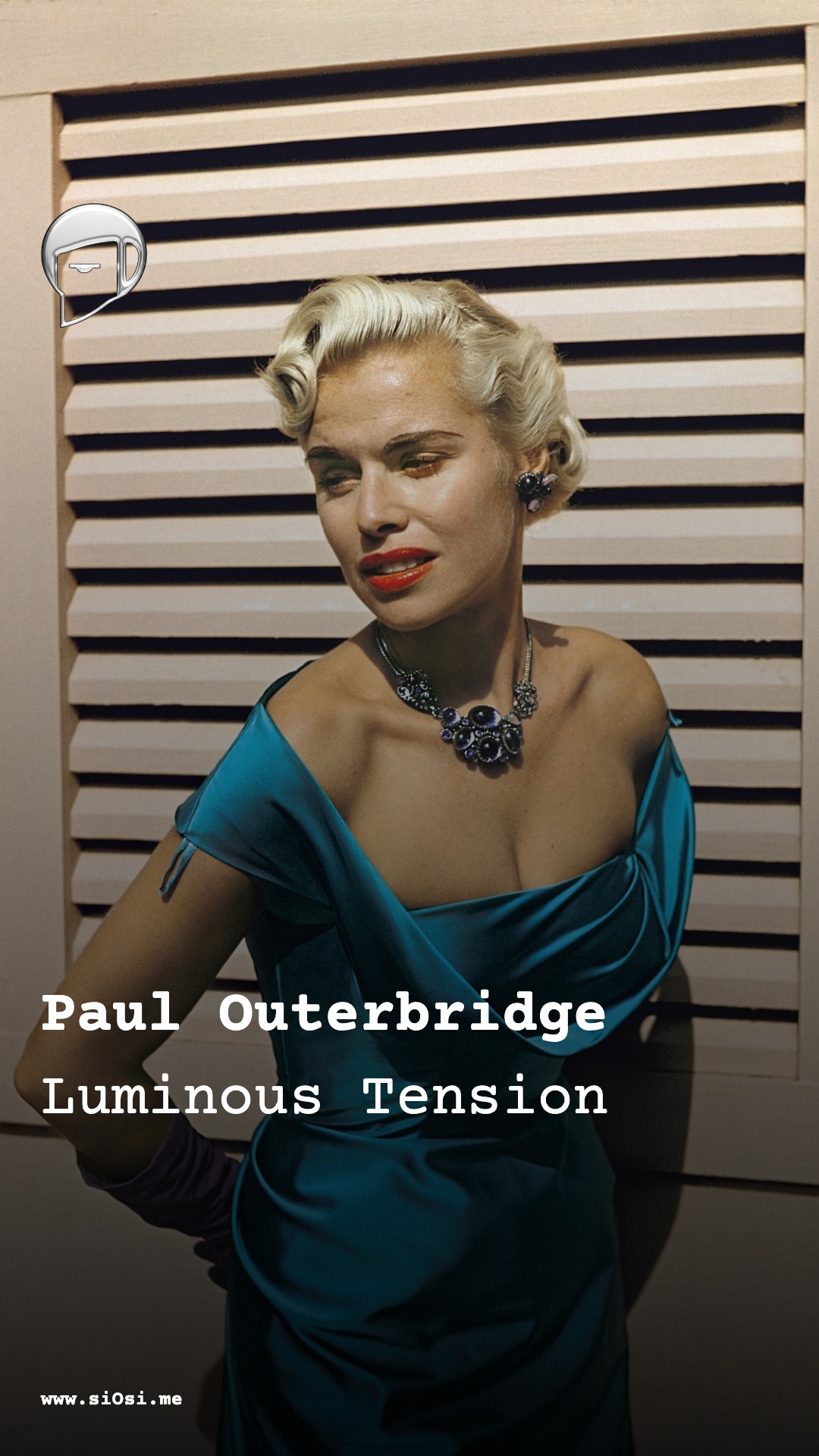
On August 15, 1896, Paul Outerbridge entered the world and reshaped photography with luminous, taut images that still pulse with modern edge. His pioneering carbro color process delivered jewel like reds and flesh tones held in crisp geometric frames drawn from Cubism, turning fashion, still life, and the nude into sculptural statements of controlled glamour. At siOsi we celebrate that hard brilliance: beauty sharpened into structure, sensuality made architectural, and everyday objects rendered with cinematic intensity. Outerbridge proved that true style carries both polish and quiet daring, never soft, always charged. Step into his world of suspended daring and refined tension today.
Paul Outerbridge’s aesthetic impact lies in the way he made photography feel luminous, taut, and slightly disquieting at the same time. His images joined color innovation, modernist structure, and erotic suggestion, so beauty in his work is never soft-edged or merely decorative, but charged with tension, precision, and theatrical presence.
Outerbridge was born on August 15, 1896, and became known as a pioneering color photographer, especially through the carbon-transfer and carbro-color processes. That technical rigor mattered aesthetically because it gave his pictures a dense, polished surface, with colors that could feel saturated and jewel-like rather than casual or atmospheric. The result is an image-world of hard brilliance: reds, blues, and flesh tones often seem to press forward with unusual intensity, while shadows and geometry hold them in place.
His visual language drew from Cubism and modern abstract painting, and that influence gave his fashion and still-life work a disciplined architecture. Objects are often arranged as if they were sculptural forms, with sharp contours, angled planes, and carefully measured spacing. Even when the subject is a garment, a bottle, a fruit, or a body, the composition feels built, not merely seen. That gives his photographs a stylized emotional temperature, poised between commercial polish and avant-garde abstraction.
In fashion and beauty terms, Outerbridge helped define a look that feels modern, luxe, and self-aware. His commercial photographs introduced an artist’s sensibility to advertising, making the body and the object part of the same visual logic. Rather than dissolving into softness, style in his work often appears crisp and articulate, with posture, silhouette, and placement treated as elements of design. The body is not presented as passive beauty, but as a form with edges, angles, and visual force.
His nude work is central to his legacy because it transformed erotic imagery into something both elegant and unsettling. These photographs were controversial in his lifetime and were not publicly acceptable under the moral codes of the period. Aesthetically, that repression sharpened their effect. The body in Outerbridge feels illuminated with almost clinical clarity, yet the compositions carry a private intensity, so the emotional presence is one of suspended daring rather than open sensuality. Flesh becomes a surface of light, contour, and mood, more controlled than permissive.
Outerbridge also worked in still life, and there his visual style becomes especially clear. Ordinary objects are turned into refined arrangements with a glossy, modern calm, anticipating the sleek advertising language of later decades. This is one reason his work still feels current: contemporary viewers recognize in it the cool precision of editorial styling, but also the faint unease that comes when desire is made graphic and exact. The photographs retain a vivid, cinematic glow, as if the color has been held under pressure until it becomes emotionally concentrated.
Today, Outerbridge’s work still evokes a feeling of glamour under scrutiny. It carries the fragrance of old-world luxury, but filtered through modern abstraction and technical boldness. What lingers most is not sweetness, but radiance with an edge, beauty sharpened into structure, and sensuality made architectural.