
Sun in VirgoMoon in PiscesFull Moon · Sturgeon Moon
Louis Faurer: Lyrical Street Style with siOsi
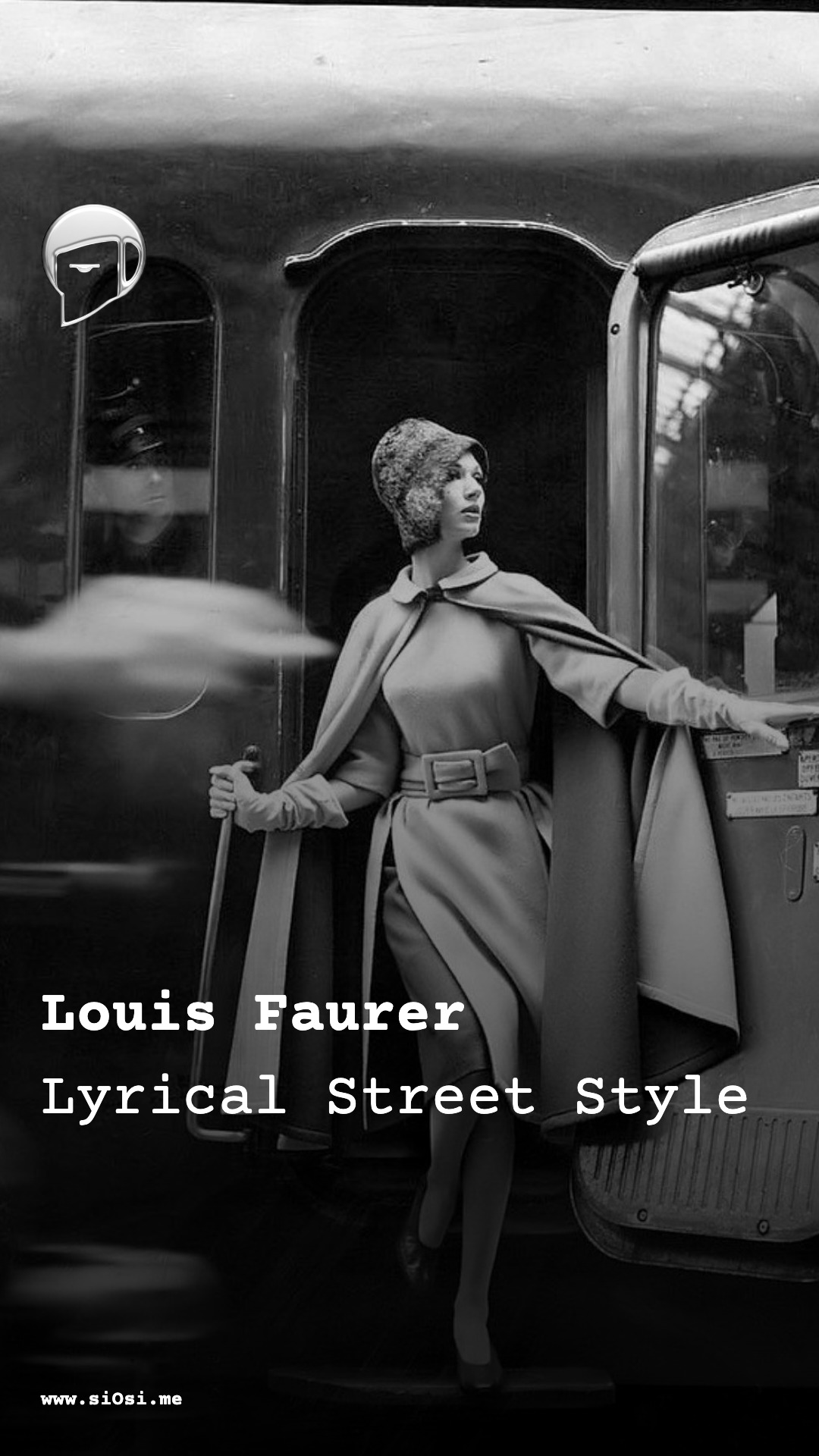
Step into the tender world of Louis Faurer, the photographer who turned New York streets into intimate poems of light, shadow and fleeting grace. Born in 1916, he blended his fashion roots with raw city energy, capturing silhouettes in motion, coats catching dusk and faces half-lit by neon. siOsi celebrates this humane beauty where vulnerability meets poise, proving style is how we stand in time and carry solitude with quiet dignity. His empathetic lens still inspires modern looks that feel lived-in, lyrical and profoundly human.
Louis Faurer’s aesthetic legacy lies in how he made street life feel intimate, lyrical, and almost fabric-like, turning passing figures into emotional presences rather than documentary types. Born in Philadelphia in 1916, he moved from fashion magazine work into a long exploration of city streets, and that shift gave his imagery a rare tension between polish and rupture, elegance and fatigue, glamour and loneliness.
His visual language was built from light, shadow, velocity, and tenderness. The Philadelphia Museum of Art describes his city photographs as “closer to poetry than to journalism,” noting that he used a small camera to work quickly and developed a radical style that captured the energy of New York street life while isolating distinctive individuals and small groups. That combination matters aesthetically: Faurer’s pictures often feel like a flash of satin caught in dim light, a collar edge, a coat line, a turned shoulder, a face half-absorbed by dusk. The emotional effect is not theatrical display, but suspended feeling, as if each body were both protected and exposed at once.
Because he began in fashion photography, Faurer understood how style becomes gesture. His early and later work alike suggests a fascination with silhouettes in motion, with clothing not as static display but as an extension of posture and mood. In the street images, the body is rarely monumental. It is angled, compressed, drifting, waiting. This gives his work a distinctly modern beauty: not idealized perfection, but lived-in grace, the kind that emerges in a hem caught mid-step, a hat brim lowering the face, or a coat’s texture absorbing city light. His photographs suggest that beauty can reside in vulnerability, anonymity, and the fleeting poise of ordinary people.
Critics and institutions repeatedly emphasize his tenderness, empathy, and dark lyricism. The Philadelphia Museum of Art notes that he portrayed his subjects with “great clarity” and interpreted them with “tenderness, wit, and empathy,” while GUP cites Edward Steichen’s description of Faurer as a “lyricist with a camera,” someone who found magic in the highways and byways of life. That emotional register is central to his visual style. He does not beautify the street into fantasy, but he does confer dignity through attention. His images often carry a muted glow, as if lit by reflected neon, winter dusk, or the thin haze of city air, creating a mood that is both melancholic and affectionate.
Faurer’s work helped shape postwar street photography, and scholars note its influence on later photographers including Robert Frank, Diane Arbus, and Lee Friedlander. Aesthetic influence here is less about direct imitation than about permission, the permission to see urban bodies as psychologically charged forms, to let imperfection remain visible, and to find atmosphere in the rough grain of everyday life. His visual world is thus not only historical but still contemporary in feeling: the images seem to breathe with uncertainty, privacy, and the fragile glamour of being seen briefly and moving on.
Today, Faurer’s work still evokes a soft, haunted radiance. It feels like twilight on wet pavement, like wool, smoke, glare, and longing held in the same frame. The beauty is not glossy, but humane. His photographs continue to suggest that style is not only what one wears, but how one occupies time, how one stands in light, how one carries solitude with poise.