

Sun in VirgoMoon in AriesWaning Gibbous
Gareth Pugh's Sculptural Silhouettes: Born Into Dark Radiance
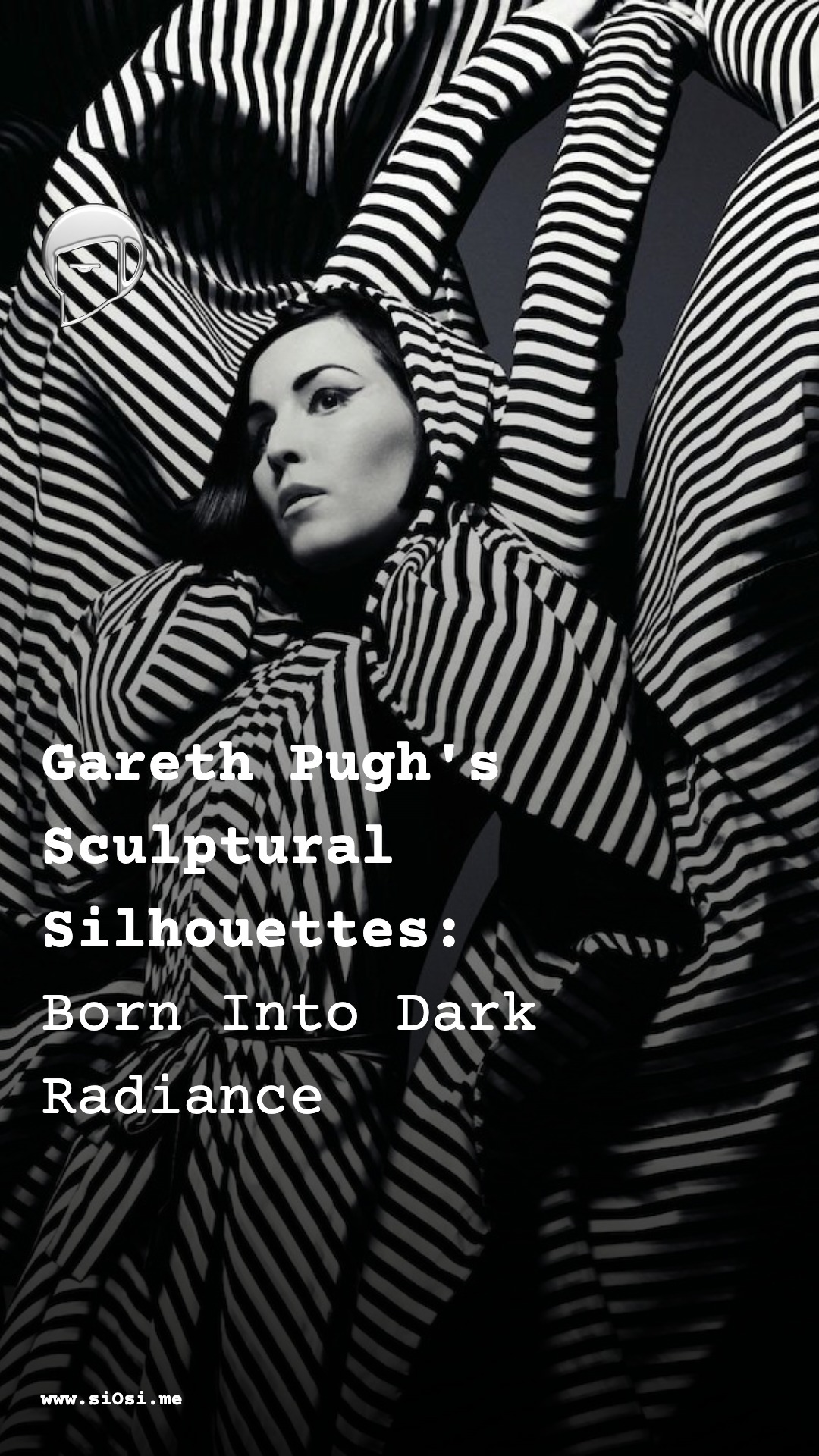
On this day in 1981, Gareth Pugh arrived from Sunderland and reshaped fashion into architectural theatre. His extreme silhouettes, sharp shoulders, and cocooning volumes turn fabric into force, where black meets white, rigidity meets drape, and the body becomes a site of tension and transformation. At siOsi we celebrate that nocturnal intensity, the anti-sentimental presence that favors impact over polish and leaves a cinematic afterimage of glamour pushed into shadow. Pugh's work moves between runway, film, and performance with ceremonial intensity, reminding us that beauty can be confrontational, vulnerable, and charged with latent drama.
Gareth Pugh’s aesthetic impact lies in the way he made fashion feel architectural, nocturnal, and emotionally charged, turning clothing into a form of sculptural theatre rather than decoration. Born in 1981, he emerged from Sunderland to become a London-based designer whose work moved between runway, film, performance, costume, and stage, a range that helped define his visual language as something closer to image-making than conventional dressmaking.
His signature look is built from extreme silhouette: sharp shoulders, cocooning volume, elongated lines, and body-shaping forms that can feel armored, enclosed, or suddenly aerated with space. That tension between hardness and fragility gave his clothes a charged physical presence, as if the body were being re-drawn in metal, shadow, latex, felt, or dense technical fabrics rather than merely covered. The effect is often confrontational but also strangely vulnerable, because the figure is amplified until it becomes almost symbolic, an emblem of force, anxiety, seduction, or defiance.
Pugh’s visual world is frequently described through contrast: black against white, sheen against matte, rigidity against movement, severed angles against liquid drape. His shows and collections have been recognized for their theatrical atmosphere, and his early advocacy of fashion film helped move emphasis away from static presentation toward motion, editing, light, and mood. In that setting, beauty becomes less about prettiness than about impact, posture, and atmosphere, with the body treated as a site of transformation rather than idealization.
His attitude toward beauty can be understood as anti-sentimental and highly stylized, favoring presence over polish. Even when the references are glamorous or historically resonant, such as his revisiting of 1980s power dressing, the result tends to be sharpened, abstracted, and slightly uncanny, as though beauty has been stripped of softness and rebuilt as signal, silhouette, and force. That gives his work a distinct emotional temperature, cool rather than warm, dramatic rather than intimate, but never empty.
What lingers today is the feeling of dark radiance. Pugh’s clothes still evoke a kind of ceremonial intensity, where fabric catches light like armor, hems cut space like blades, and the body appears suspended between control and release. The emotional glow is not comforting in the usual sense, but persistent, a cinematic afterimage of glamour pushed into shadow, where fashion becomes an atmosphere of tension, modernity, and latent drama.