
Sun in LeoMoon in ScorpioFirst Quarter
Travis Banton: Sculpting Hollywood Glamour at siOsi
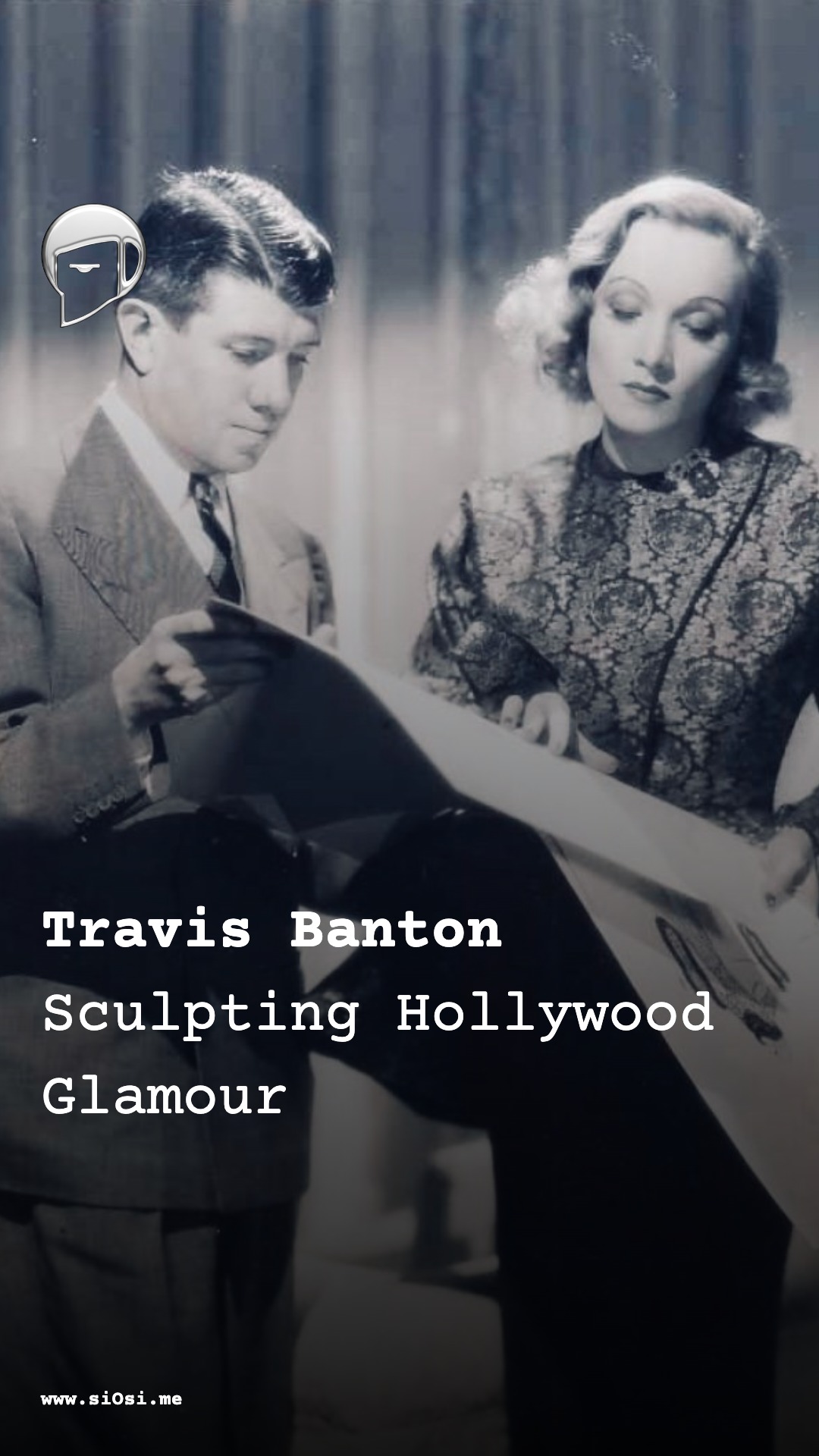
On this day in 1894, Travis Banton arrived to craft glamour as architecture: satin falling like liquid light, bias cuts that sculpt the body into one continuous line. At Paramount he dressed Marlene Dietrich, Carole Lombard and Mae West in velvet, lamé and silk chiffon, creating cool, deliberate seduction rather than soft display. His silhouettes paired severe elongation with sumptuous textures so every gleam sharpened presence under studio lights. siOsi honours this nocturnal polish and poised distance, where fabric becomes a second expressive skin and beauty stays composed, suspended in time. Step into that cinematic atmosphere and let your own silhouette glide with quiet power.
Travis Banton’s aesthetic legacy is the language of glamour made architectural: satin that falls like liquid light, bias cuts that cling and release, and silhouettes that seem to sculpt the body into a continuous line rather than simply clothe it. His work at Paramount in the 1930s helped define a Hollywood ideal of sophistication, with costumes for Marlene Dietrich, Carole Lombard, Mae West, Claudette Colbert, and others that were noted for their daring elegance and exacting refinement.
Banton’s visual signature was built from contrast. He paired severe, elongated shapes with sumptuous materials, using velvet, satin, silk chiffon, lamé, fur, beads, and feathers to create surfaces that felt both controlled and sensuous. The result was not softness in the domestic sense, but a heightened kind of polish, where texture carried drama and every gleam of fabric sharpened the body’s presence in light. In the transition to sound film, he also turned to quieter fabrics such as crepe, satin, and silk chiffon because older materials like taffeta and stiff moiré could interfere with the microphone, which meant his elegance was not only visual but attuned to the new sensory economy of cinema.
His philosophy of beauty appears to have rested on flattery and refinement, but not in a timid sense. Banton’s costumes were meant to intensify personality, not erase it, and his collaboration with star performers helped turn clothing into a second expressive skin. For Dietrich especially, his designs contributed to an image of cool, deliberate seduction, where posture, tailoring, and sheen worked together to produce a controlled emotional temperature rather than exuberant display. The body in Banton’s world is poised, lit from within by fabric, and made to feel both desirable and slightly untouchable.
What remains compelling today is the emotional atmosphere of his work: cool glamour, nocturnal polish, and a faint ache of distance. His clothes still evoke a cinematic body that glides rather than rushes, with movement softened by drape and sharpened by line. They carry the feeling of old Hollywood at its most distilled, where beauty is not casual but composed, and where shine, shadow, and contour create a lasting sense of elegance suspended in time.